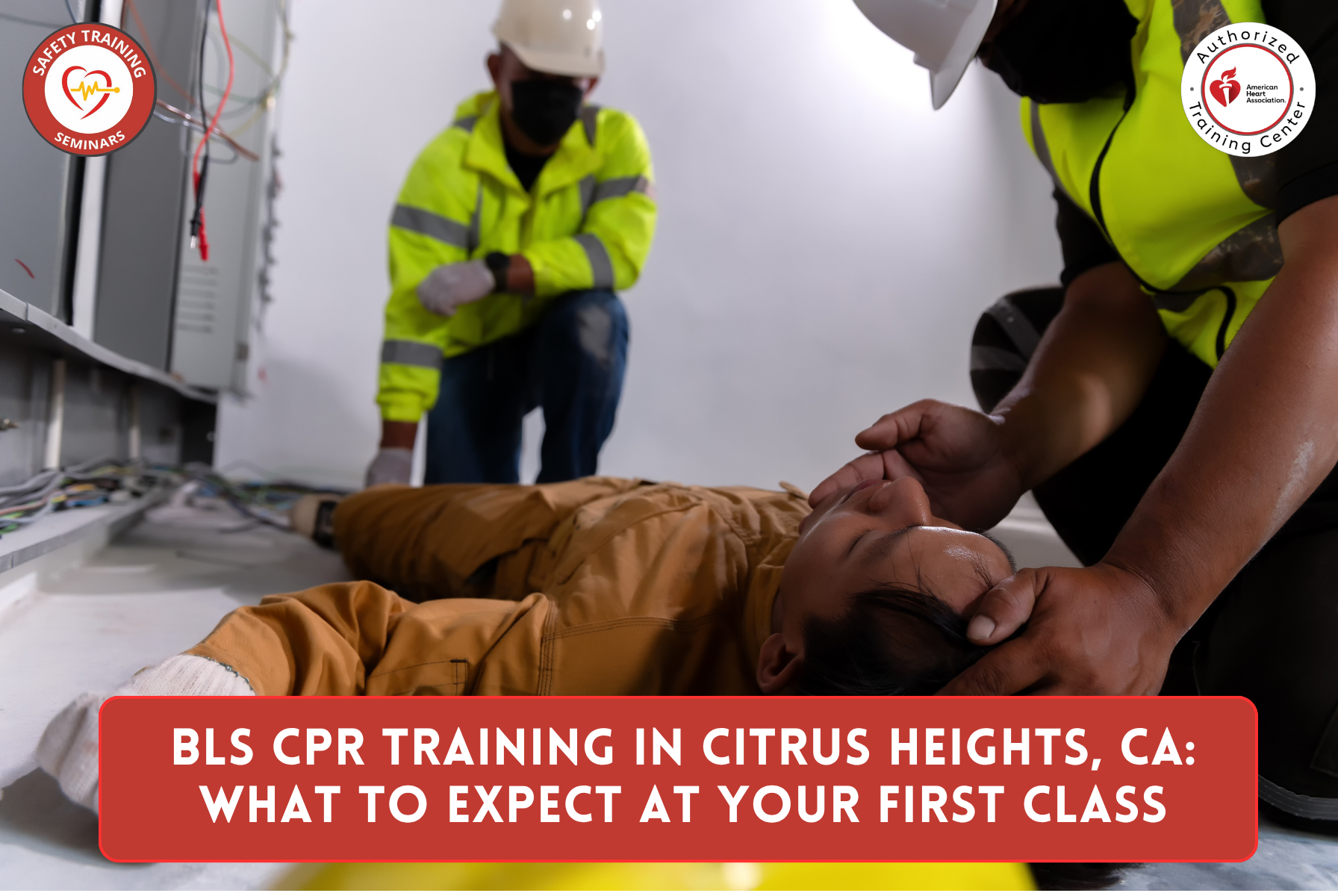
Walking into a BLS class for the first time can feel different from attending an ordinary lecture. You will not spend the entire session sitting and taking notes. A BLS CPR Certification Course typically combines instruction with active practice, including chest compressions, rescue breathing, AED use, and coordinated response skills.
For students and professionals seeking BLS CPR training in Citrus Heights, CA, the most useful preparation is knowing which credential is required and arriving ready to participate physically. Healthcare workers, nursing students, dental teams, medical assistants, and other clinical personnel commonly take BLS, but requirements vary by employer and school. Confirm the exact course title before registering. During class, expect demonstrations, repeated skills practice, feedback, and an evaluation of both knowledge and hands-on performance.
Key Takeaway: Your first BLS class is a practical training session rather than a passive presentation. Confirm your required credential, complete any assigned online work beforehand, and wear clothing that allows you to kneel and practice comfortably.
First, Make Sure BLS Is the Course You Need
BLS stands for Basic Life Support. The American Heart Association describes its BLS course as training for healthcare professionals and other personnel who may need to perform CPR and related cardiovascular life-support skills in clinical and community settings. The course addresses high-quality CPR, early AED use, ventilation, airway obstruction, and team response.
That makes BLS different from some general CPR and First Aid courses. A parent, teacher, workplace employee, or childcare provider may be asked to complete a community-level CPR, AED, or First Aid program. A nurse beginning hospital onboarding, however, may specifically need a BLS Provider credential.
Before enrolling, check the written requirement from your employer, school, clinical program, licensing body, or volunteer organization. Do not assume that any course containing “CPR” will be accepted. Residents north of Citrus Heights can also compare CPR and BLS training options serving Antelope.
What Happens Before the Hands-On Practice?
The beginning of a BLS class depends on the format. An instructor-led course includes learning and physical practice during the classroom session. A blended course separates the cognitive portion from the skills component: students complete assigned online work and then attend hands-on training.
Finish any online module before your skills appointment and save the completion confirmation. At the training location, follow instructions about equipment, activities, and assessment. Ask questions early if a technique or requirement is unclear.
Expect to Practice CPR More Than Once
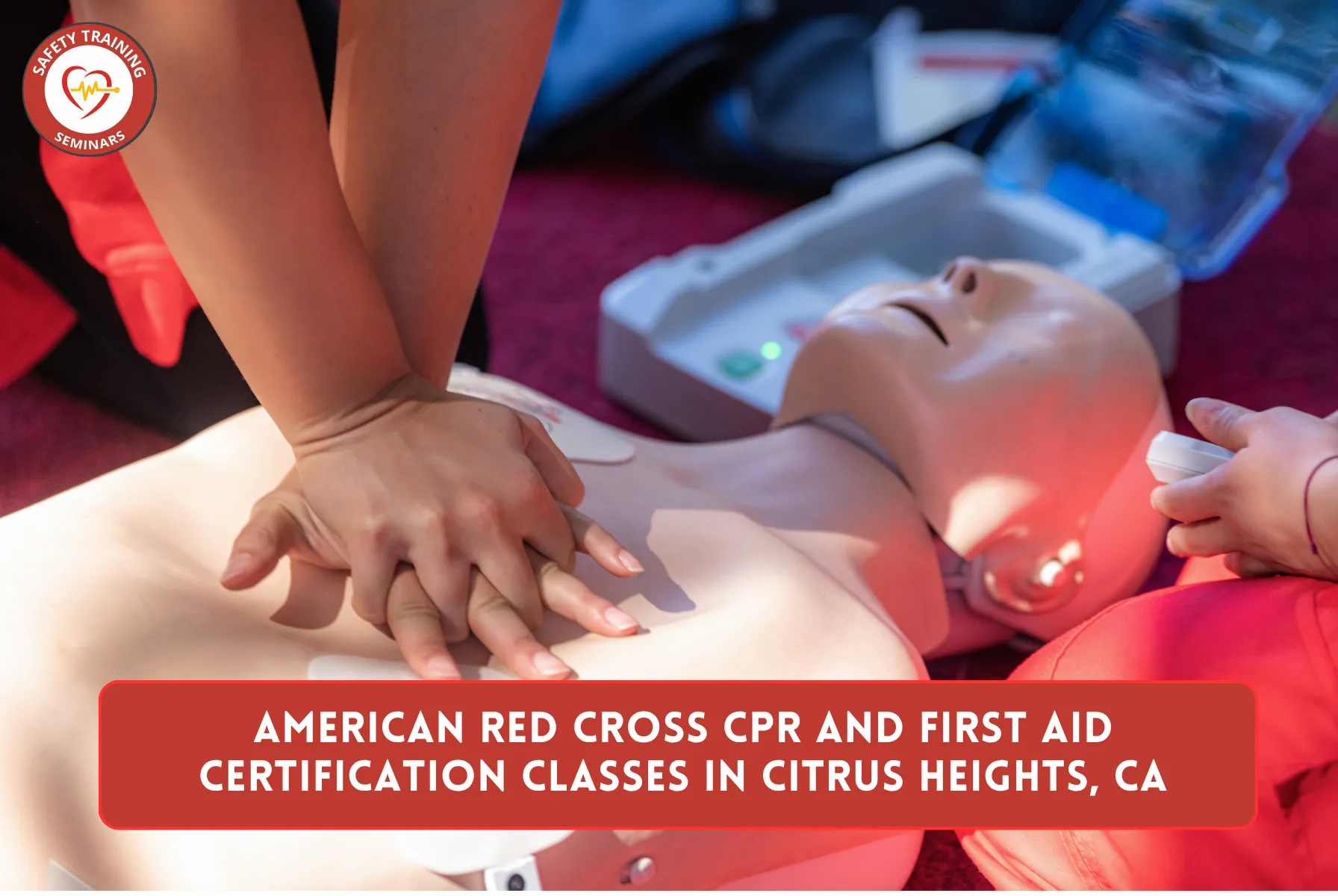
BLS skills improve through repetition. During the class, students generally practice recognizing an unresponsive person, activating the appropriate emergency response, beginning compressions, providing breaths or ventilations, and using an automated external defibrillator.
The instructor or training system may give feedback on hand placement, compression technique, pace, depth, chest recoil, interruptions, and ventilation. First-time students often understand the sequence quickly but need several attempts to make each movement consistent.
You may work through adult, child, and infant scenarios because hand position and response techniques vary by age group. Listen closely as the class moves between scenarios.
Students coming from Carmichael or nearby communities can review local CPR and healthcare certification classes near Carmichael when comparing locations and course availability.
AED, Breathing, and Team Skills Are Part of the Experience
Chest compressions are a central part of BLS, but they are not the only skill addressed. Students may practice using an AED trainer, providing breaths with appropriate equipment, and responding when an airway is obstructed.
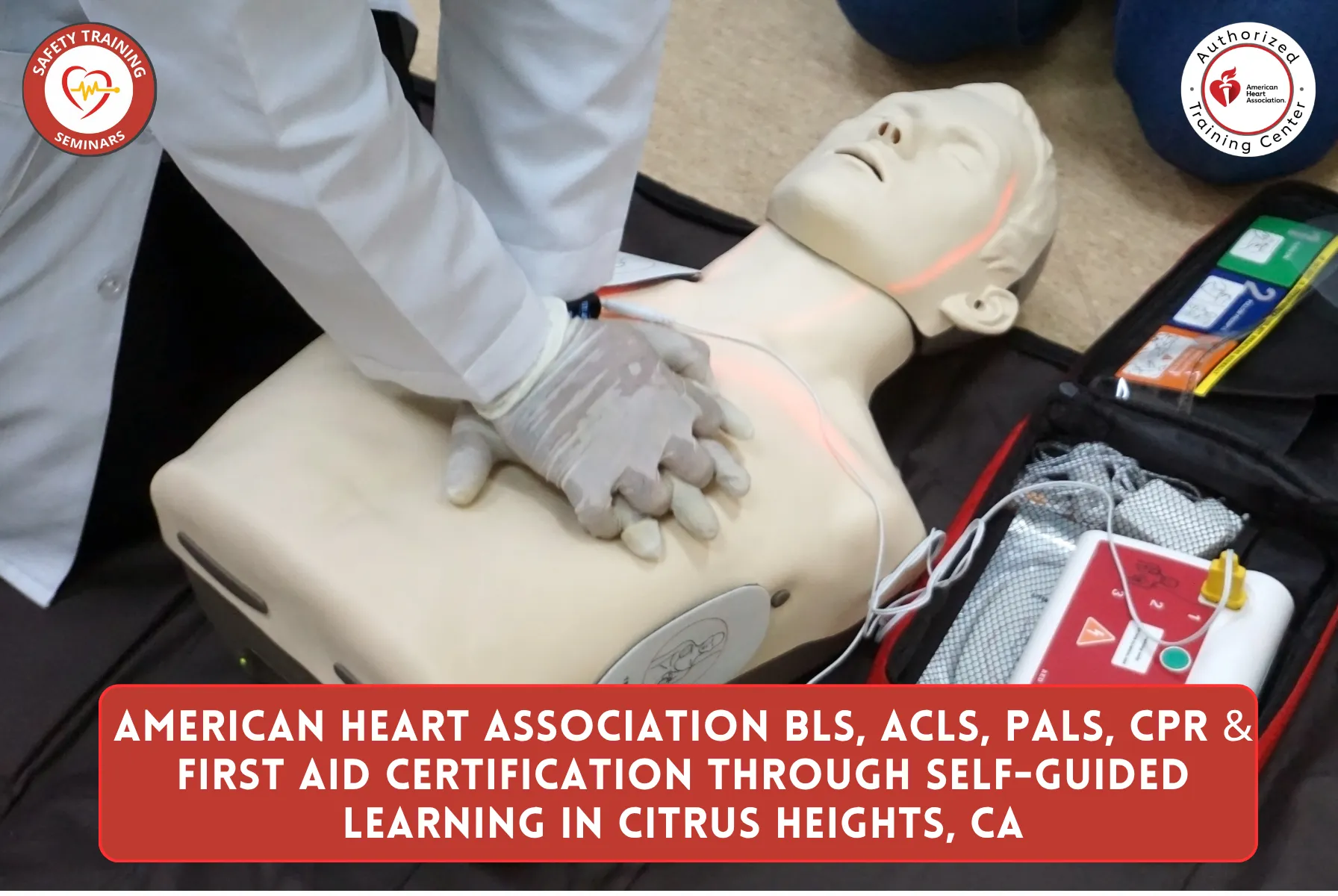
AED practice focuses on following device prompts, placing training pads correctly, keeping others clear during analysis or shock delivery, and resuming compressions as directed.
BLS also covers single-rescuer and team response. Your class may include scenarios in which students rotate responsibilities and practice clear communication.
How Skills Checks and Course Completion Work
A BLS course generally evaluates what you know and what you can physically demonstrate. The sequence depends on the format, so follow the course instructions.
For an American Heart Association BLS course, participants receive a BLS Provider Course Completion Card after satisfying all course requirements. The AHA lists classroom and blended-learning options and states that the resulting BLS Provider eCard is valid for two years.
Use instructor or system feedback to correct your technique before the evaluation. Ask about any step that still feels unclear.
After completion, follow the instructions for accessing your electronic card. Check your name, save a copy, and submit it through the process required by your employer or school.
What Should You Wear and Bring?
Because BLS includes floor-level practice and repeated compressions, wear clothing that allows you to kneel, bend, and change positions. Contact the provider in advance if you need guidance related to a physical limitation.
Bring or prepare whatever is listed in your confirmation message. Depending on the format, this may include:
- A valid form of identification
- Proof that assigned online coursework is complete
- Any required course materials
- Your current card when attending renewal training
- Information about the credential requested by your employer or school
Arrive early enough to find the correct suite and complete check-in. Confirm parking, supplies, or accommodations directly rather than assuming they are available.
People evaluating nearby options may also explore CPR and BLS classes available for Fair Oaks residents.
Local BLS Training with Safety Training Seminars
Safety Training Seminars offers CPR and healthcare certification course options in Citrus Heights. The local training center is at 7625 Sunrise Blvd, Suite 209, Citrus Heights, CA 95610. The address is also listed on the Citrus Heights business website.
The Citrus Heights location can serve healthcare professionals, students, workplace teams, and caregivers from Foothill Farms, Fair Oaks, Antelope, and Carmichael. Review the current course page to confirm the format, dates, prerequisites, and completion card.
Those coming from the Sacramento side can compare CPR, BLS, ACLS, and PALS course options near Arden-Arcade. Choose the page that matches both your location and required course instead of registering from a general class description.
First-Class Mistakes That Are Easy to Avoid
A common mistake is registering for the wrong certification level. “CPR certified” can refer to different programs, and a school asking for BLS may not accept a general CPR card.
Another mistake is treating online coursework as the complete certification when hands-on training is still required. The AHA’s blended BLS option combines both.
Leave time before an employment or clinical deadline to complete prerequisites and access your card. During practice, use feedback to improve rather than worrying about an imperfect first attempt.
Frequently Asked Questions About First-Time BLS Classes in Citrus Heights
Is a BLS class difficult for a first-time student?
The course requires attention and active participation, but first-time students are expected to learn through demonstration, practice, and feedback. Review any assigned material and ask for clarification during the learning portion.
Can I Take the Online Portion from Home?
A blended BLS course may allow you to complete its cognitive portion online. You must still complete the required hands-on component before receiving the applicable course completion card. Confirm the format stated in your registration.
Will I Practice on a Real Person?
CPR classes use training manikins and practice equipment for skill development and assessment. Follow all instructions regarding equipment use, hygiene, and station setup.
How Long Does a Citrus Heights BLS Class Take?
Course length can vary by format, provider, class arrangement, and whether online preparation is required. Check the current course listing or registration confirmation instead of relying on a general estimate.
Do I Need BLS if I Already Have a CPR Card?
Possibly. A general CPR card may not satisfy a requirement that specifically names BLS Provider training. Ask the organization requesting your certification to confirm the accepted course and issuing organization.
When Should I Renew My BLS Certification?
For an American Heart Association BLS Provider course, the completion eCard is valid for two years. Schedule renewal with enough time to meet your employer’s, school’s, or licensing organization’s documentation deadline.
Prepare for Practice, Not Just a Certificate
Your first BLS class in Citrus Heights should give you a clear opportunity to learn, practice, receive feedback, and demonstrate the required skills. Start by confirming that BLS is the credential you need. Then review the format, complete any prerequisites, dress for hands-on practice, and bring the documents listed in your registration instructions.
Safety Training Seminars provides a local option for BLS CPR certification and related healthcare training. Review the appropriate Citrus Heights course information before enrolling so the class format, card, and requirements align with your workplace, school, or clinical program.