Selecting the correct life support training in Citrus Heights, CA depends directly on your clinical discipline, scope of practice, and immediate employment setting. Healthcare workers across northern Sacramento County face varied compliance mandates from hospital networks, outpatient surgery centers, and academic programs. Registering for a basic CPR class when your facility requires advanced emergency protocols can result in delayed onboarding or rejected credential files.
This job-mapping guide breaks down the clinical distinctions between Basic Life Support (BLS), Advanced Cardiovascular Life Support (ACLS), and Pediatric Advanced Life Support (PALS). By analyzing target patient demographics, core skill expectations, and local training avenues in Citrus Heights, CA, you can quickly identify the exact certification required for your professional path.
Key Takeaway: BLS delivers the foundational CPR, AED, and airway mechanics required across all clinical disciplines. ACLS and PALS build upon that foundation, introducing advanced ECG interpretation, emergency pharmacology, and team leadership for adult and pediatric medical crises.
Matching Life Support Certifications to Clinical Roles
Employers establish certification requirements based on clinical risk, patient age groups, and emergency response responsibilities. Choosing the right course requires aligning your daily duties with the proper training level.
Presenting an advanced card without holding a valid underlying BLS credential will fail compliance checks at most healthcare facilities. Verifying your department’s exact prerequisites before enrolling prevents unnecessary training delays.
Basic Life Support (BLS): The Foundational Medical Standard
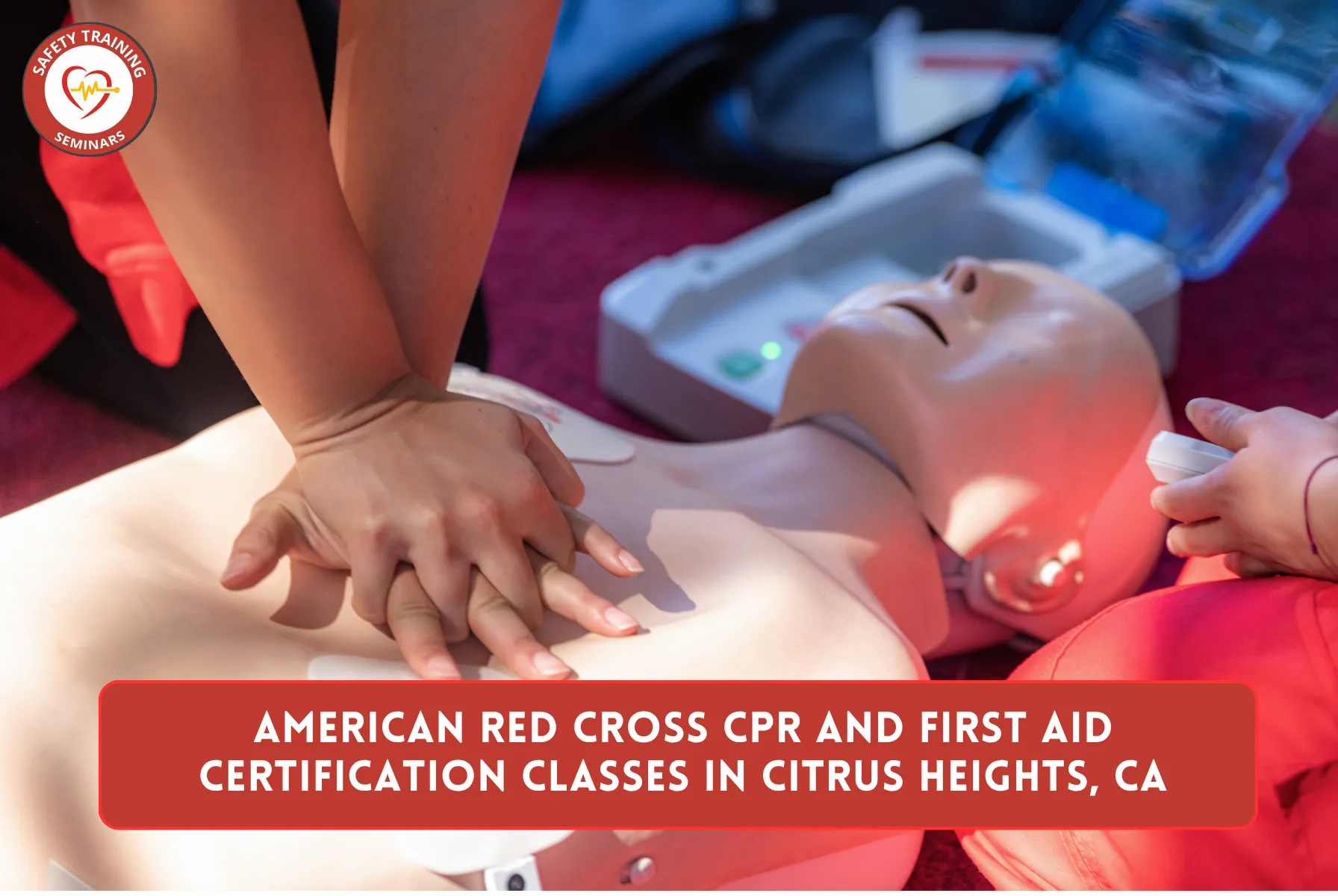
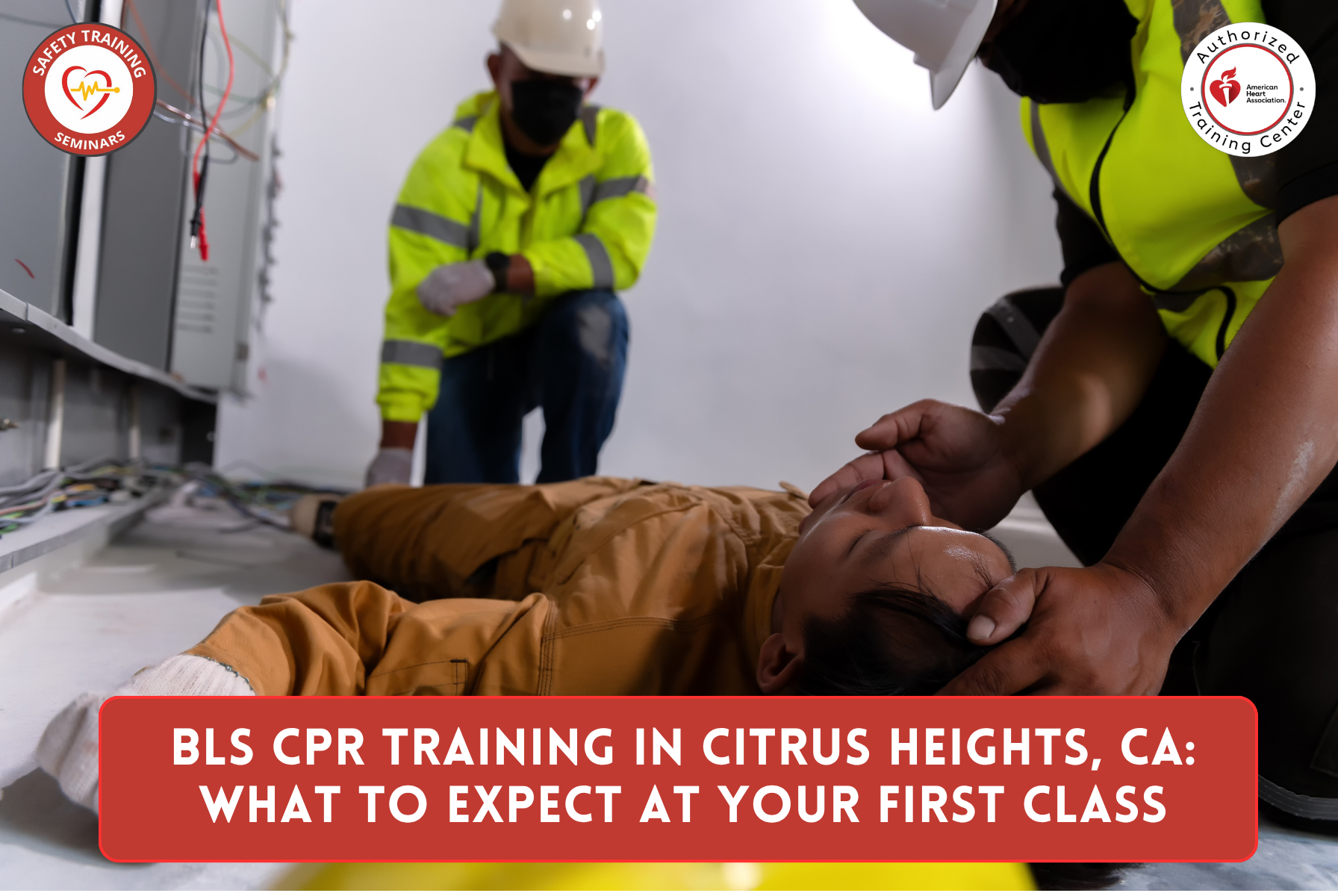
A dedicated BLS CPR Certification Course serves as the standard entry-level requirement across healthcare. Designed specifically for professional care providers, BLS moves far beyond layperson CPR by emphasizing multi-rescuer coordination and high-efficiency resuscitation.
Essential Skills Taught in BLS
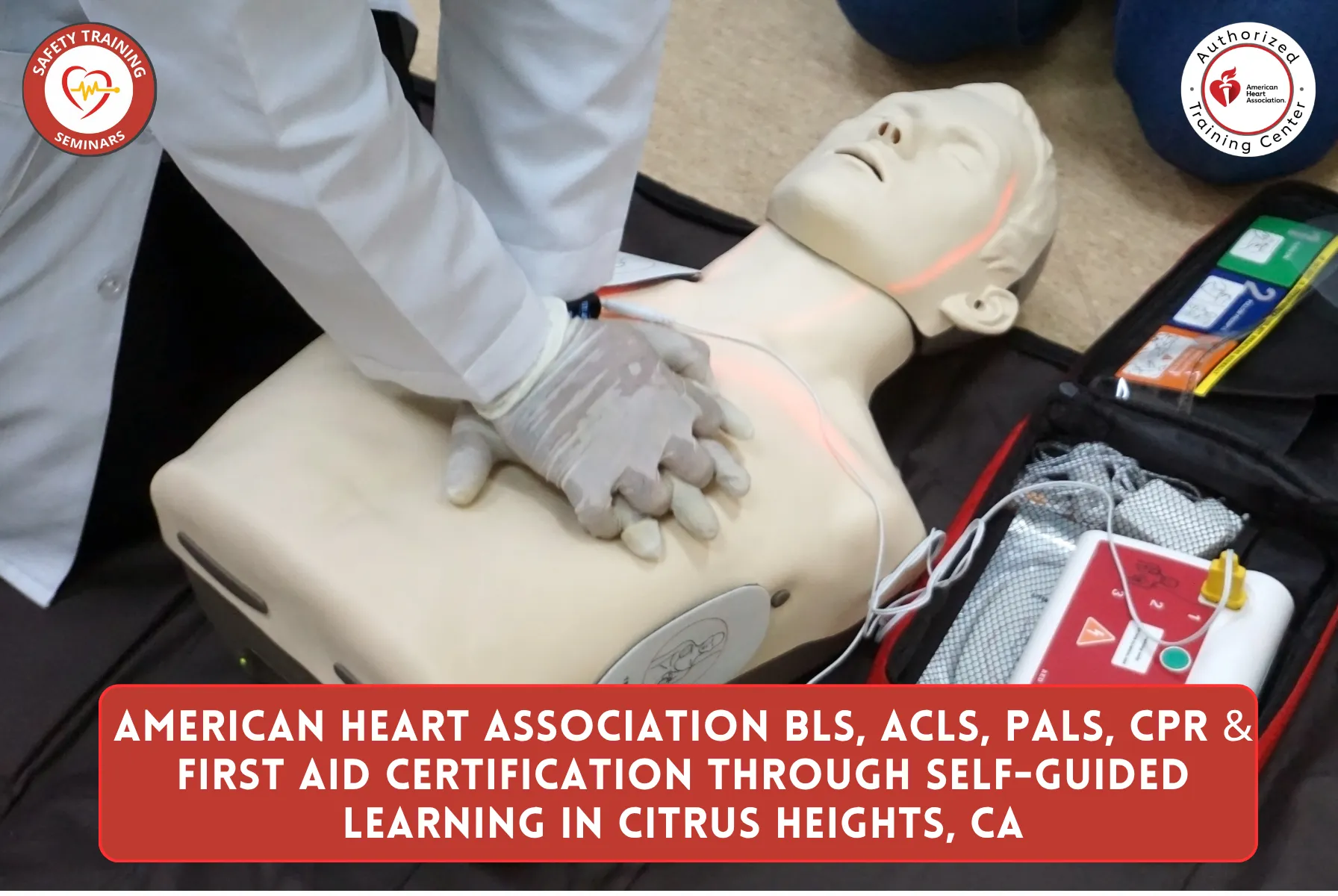
BLS training focuses on physical resuscitation mechanics and rapid intervention:
- High-quality chest compressions for adult, child, and infant patients
- Pocket mask and bag-mask device ventilation techniques
- Automated External Defibrillator (AED) operation for all age groups
- Multi-rescuer team dynamics and duty switching
- Relief of foreign-body airway obstructions in conscious and unconscious victims
Occupations Requiring BLS Certification
The majority of patient-facing healthcare workers must maintain an active BLS card:
- Registered Nurses (RNs), Licensed Vocational Nurses (LVNs), and Certified Nursing Assistants (CNAs)
- Dentists, dental hygienists, and dental assistants
- Emergency Medical Technicians (EMTs), paramedics, and firefighters
- Physical therapists, occupational therapists, and radiologic technologists
- Nursing and medical students fulfilling clinical prerequisites across Sacramento County
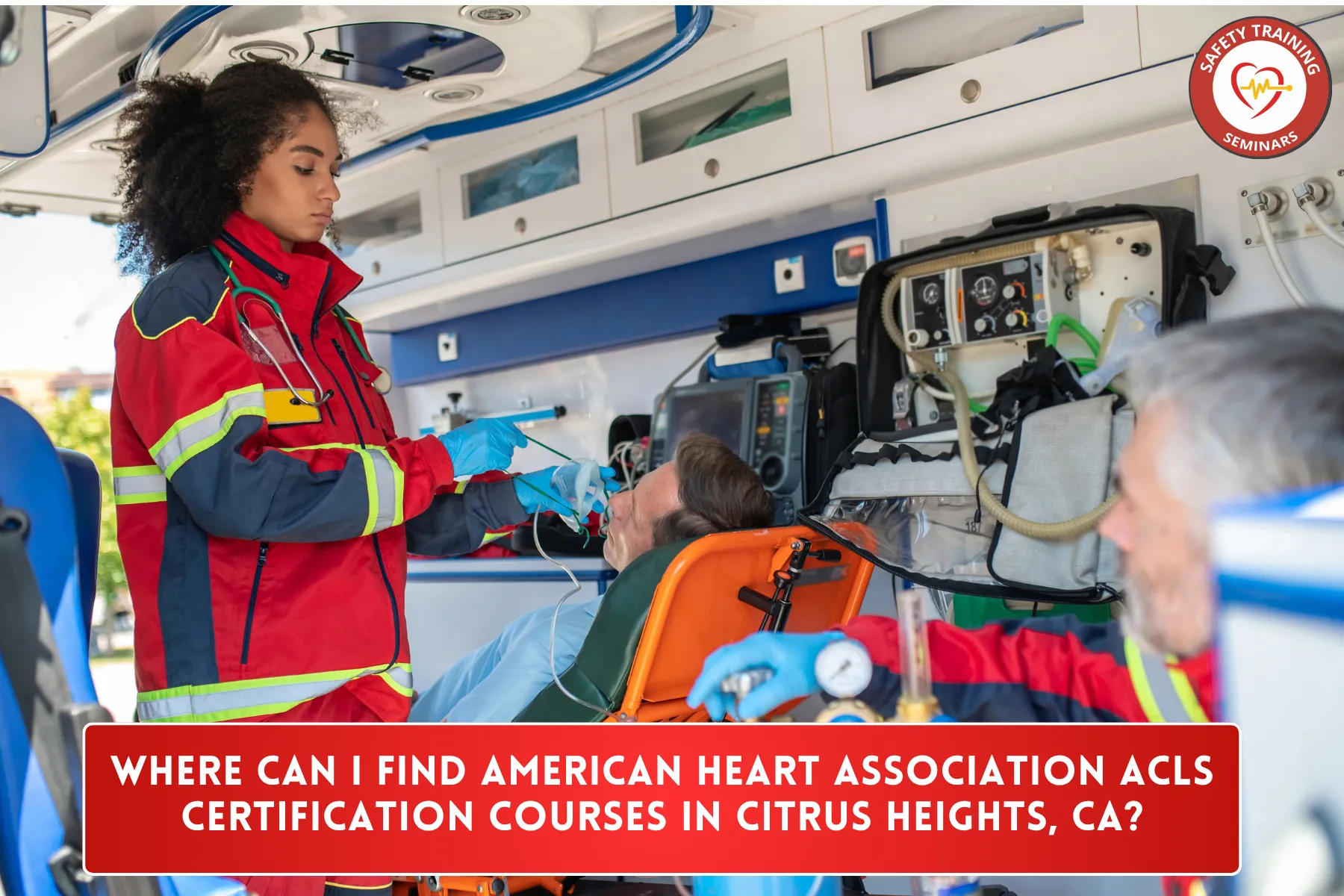
Advanced Cardiovascular Life Support (ACLS): Adult Emergency Care
Advanced Cardiovascular Life Support transitions from physical compressions into diagnostic and pharmaceutical protocols. ACLS prepares clinical providers to evaluate and manage severe adult cardiovascular emergencies, cardiac arrest, acute coronary syndromes, and stroke.
Core Components of ACLS Training
ACLS coursework addresses critical adult cardiac management:
- Systematic recognition and management of acute cardiac arrest, peri-arrest conditions, and arrhythmias
- Electrocardiogram (ECG) rhythm strip interpretation for bradycardia, tachycardia, and lethal rhythms
- Advanced airway management, including supraglottic airways and endotracheal tube placement assistance
- Resuscitation pharmacology, including epinephrine, amiodarone, adenosine, and atropine
- Directing high-performance resuscitation teams during active code events
Clinical Roles Needing ACLS
ACLS is mandatory for providers managing high-acuity adult care environments:
- Emergency room physicians, hospitalists, and critical care specialists
- Intensive Care Unit (ICU), telemetry, and emergency department nurses
- Respiratory therapists assigned to hospital code response teams
- Post-Anesthesia Care Unit (PACU) and ambulatory surgery center staff
- Flight paramedics and critical care transport personnel
Pediatric Advanced Life Support (PALS): Specialized Youth Resuscitation
Pediatric emergencies present distinct physiological challenges. Infant and pediatric cardiac arrest rarely stems from primary heart conditions; instead, it typically arises from progressive respiratory failure or shock. Pediatric Advanced Life Support trains clinicians in early systematic assessment to prevent cardiorespiratory arrest in young patients.
Key Skills Covered in PALS
PALS instruction focuses on infant and child emergency interventions:
- Identification and management of respiratory distress, upper/lower airway obstructions, and respiratory failure
- Recognition and treatment of compensated and hypotensive shock
- Management of pediatric cardiac arrhythmias, such as supraventricular tachycardia (SVT) and bradycardia
- Application of the systematic “Evaluate-Identify-Intervene” clinical model
- Vascular access considerations, including intraosseous (IO) infusion principles
Target Occupations for PALS
PALS certification is required for clinicians serving pediatric populations:
- Pediatricians, pediatric emergency physicians, and family medicine providers
- Pediatric ICU (PICU), Neonatal ICU (NICU), and pediatric emergency department nurses
- Transport nurses and pediatric transport paramedics
- Urgent care clinicians evaluating pediatric patients
- School nurses managing students with complex medical vulnerabilities
Side-by-Side Certification Breakdown
To help determine which course matches your immediate job goals or school requirements, review the comparison below:
| Feature | BLS Certification | ACLS Certification | PALS Certification |
| Primary Focus | Core CPR, AED, and airway clearance | Adult cardiac algorithms and arrest | Pediatric resuscitation, shock, and airway |
| Target Population | Adult, Child, Infant | Adult | Infant and Child |
| Prerequisites | None | Strong BLS skills, ECG reading, pharmacology | Strong BLS skills, pediatric pharmacology, ECG reading |
| Common Careers | Med-Surg RNs, LVNs, EMTs, Dental | ER/ICU Nurses, Physicians, Paramedics | Pediatric Nurses, PICU/NICU Staff, Pediatricians |
| Validity Period | 2 Years | 2 Years | 2 Years |
Clinicians working in emergency departments or intensive care settings are frequently required to hold both ACLS and PALS alongside their foundational BLS card.
Navigating Local Credential Requirements in Citrus Heights
Healthcare providers across Citrus Heights and surrounding communities face consistent regulatory standards from California licensing boards and regional medical employers. Ensuring you hold the correct certification prevents hiring delays and compliance issues.
Healthcare workers commuting from neighboring areas such as Orangevale, North Highlands, Rio Linda, or Parkway often coordinate their training along primary transit corridors like Sunrise Boulevard. Clinicians living in Rosemont, Vineyard, Wilton, Galt, or central Sacramento can easily integrate blended learning sessions into their shifts.
Always confirm whether your employer or clinical program requires specific course formats before enrolling. Choosing a location that offers both in-person and blended options makes scheduling simpler.
Life Support Training at Safety Training Seminars
For local healthcare professionals, nursing students, and emergency personnel looking to complete or renew their credentials, accessible training locations simplify compliance.
Safety Training Seminars provides regular course schedules at their local facility:
Safety Training Seminars Citrus Heights CPR Training Center Address:
7625 Sunrise Blvd, Suite 209, Citrus Heights, CA 95610
Located along a major commercial corridor, this facility serves local clinicians as well as providers traveling from nearby communities like North Highlands and Orangevale.
Reviewing class availability on a dedicated Orangevale area course location page allows job-seekers and working staff to reserve a hands-on skills session that fits their onboarding schedule.
Frequently Asked Questions
Can I take ACLS or PALS without a current BLS certification?
No, high-quality BLS CPR skills form the foundation for both ACLS and PALS resuscitation algorithms. Advanced courses assume you can execute effective chest compressions and bag-mask ventilation without instruction. Most healthcare employers require proof of an active BLS card alongside advanced certifications.
Are online-only CPR certificates accepted by clinical employers in California?
Purely online CPR certifications that lack an in-person, hands-on skills evaluation on a physical manikin are rarely accepted by hospital systems, clinics, or licensing boards. Blended courses that pair online learning with a live skills assessment are widely accepted.
How long do BLS, ACLS, and PALS certifications remain valid?
All three life support credentials remain valid for two years through the end of the month in which the course was completed. You should schedule a renewal class during the month prior to expiration to maintain uninterrupted working authorization.
What should I bring to my hands-on skills practice session?
You should bring your course completion certificate if you completed online modules, a valid photo ID, and your current certification card if you are attending a renewal course. Wearing comfortable clothing suitable for working on manikins on the floor is also recommended.
Selecting Your Course and Next Steps
Determining whether you need BLS, ACLS, or PALS comes down to your clinical license, employer requirements, and target patient population. Basic patient care roles require BLS, while adult emergency and pediatric specialty roles require ACLS and PALS, respectively.
Checking your facility’s job description or consulting your clinical supervisor ensures you enroll in the proper course tier. To view current schedules and secure your training spot, visit the Rosemont area course location page to keep your credentials up to date.